
Potosi – Where you cannot judge the book by its cover, but you wish you could
- D. Linsey Wisdom
- Mar 6, 2017
- 4 min read

I made it to Potosi, the highest city in Bolivia, one of the highest in the world, and one of the one-time richest cities in the world.
It is a mining town that was known for its silver, and the beauty of its buildings details that history. It is also the town that took my breath away, literally. Not just that the streets are steep, but the oxygen is so thin that two blocks up the road and I thought I was going to need an oxygen tent!
I didn’t get to explore the city much as I hit the town on a day where most things seemed closed. But I did wander the streets with two of the women from my salt tour.
A word on solo traveling: I love solo traveling. I go where I want and see what I want and follow my own schedule. My family might say that at times I have trouble “going with the flow.” To be more accurate, I have no problem going with the flow, as long as I am dictating the current; so, solo travel suits me. What I really love is that when you want to be on your own, you can be. But when you want to have company, you can find it. Two of the women I had met in Uyuni, Alana (an Australian) and Jamie (a New Yorker living in Australia) were traveling the same route as me, so for now I had company. And it was delightful. Especially, since the city was closed.
Potosi was also one of the cleanest cities I had been to in Bolivia at this point. I think, aside from the language, the trash may be the most difficult part of Bolivia to digest. Most towns do not have public sanitation, but here the streets were pristine. I was told by the hostel workers that the cleanliness was 100 percent the residents who took it upon themselves to keep the streets clean. It added to the beauty and charm.
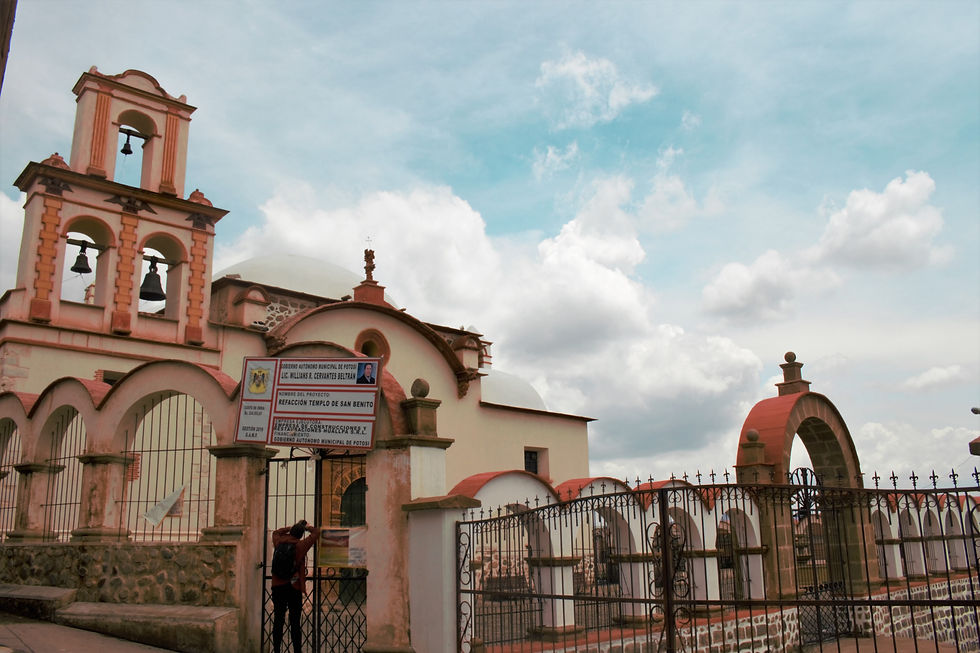
The city seemed Italian to me (not that I have been to Italy) but steep streets and lots of arches with terraces overlooking the narrow roads.


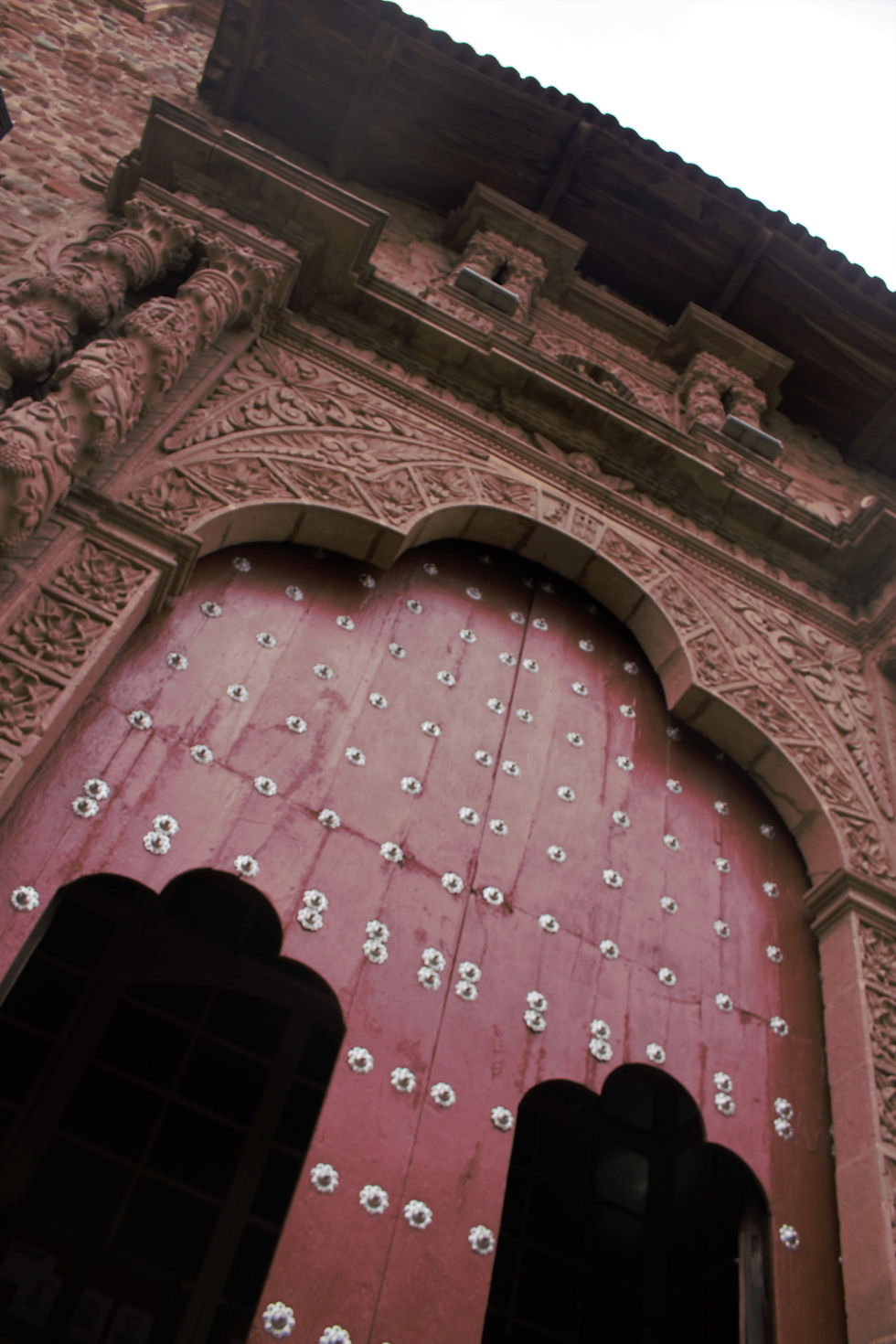
We wandered the city marveling at cathedrals and architecture dating back to the 1500s. Spain was taking over South America at the time … which leads to the harder part of the story behind the beautiful façade.
Most people come to see the mines (Cerro Rico), still operating today. Often, still operating as they did 400 years ago. And that is the hard part.
Because the work is hard, the conditions are dangerous, and the workers dire. I watched a documentary, so I am quoting mostly from that, but the average life expectancy of a miner is 35. Asbestos fills the mines and breathing in the dust is not advisable. It was said that many years ago, they would sometimes go down into the belly of the Earth, and not be allowed back to the surface for six months at a time.
The mines are cramped – even the Bolivians stoop to get through the tunnels.


Enter the Tio. “Tio” is uncle in Spanish, but in mining towns the Tio is the ruler of the mines. Some say it was to frighten the miners into working harder. It is estimated that as many as 8 million African slaves and indigenous people died at the hands of the mine. So they pray to God (and Mary) above, and to the Tio below. He is a bull-horned, terrifying figure that the miners make sacrifices to – mostly cigarettes, alcohol, and cocoa leaves, but at certain times there are blood sacrifices where the lamas are slaughtered and the meat is given as a burnt offering and the blood thrown on the entrance of the mine.
And then there are the children. Times have changed some … you now have to be 14 to work in the mines, but in the not so distant past, children as young as 7 worked the mines. It was stated that up to 800 children still work in the mines today, praying to God above and the Tio below.
This is when you see it has hard to capture Bolivian culture or history, because it is culture upon culture. It is forced culture on top of tradition. There is a mix of the Incan and the Catholic, the Spanish, the Quechua, the Cambia. There is history and there is sub history. It is a mix of beautiful people doing what they know to survive in what today is the poorest country in South America.
The silver is mostly gone. When it was abundant, the silver was mostly taken from the backs of the Bolivians to the rulers in Spain.

And this makes it hard as a tourist. You want to see the Cathedrals and the arches and the beauty… I did not see this first-hand, but I was told that on certain tours you can pay a little extra and throw a live stick of dynamite. It was hard for me to understand the ability to turn this life into a spectacle. The mines are open to tourists, and tourism stimulates the economy… but you can’t escape what is happening in daily life to stay fed to stay warm and to navigate the world they know.
I did not stay long in Potosi. I will tell you that it is beautiful, but I can also say I would not go back.




Comments